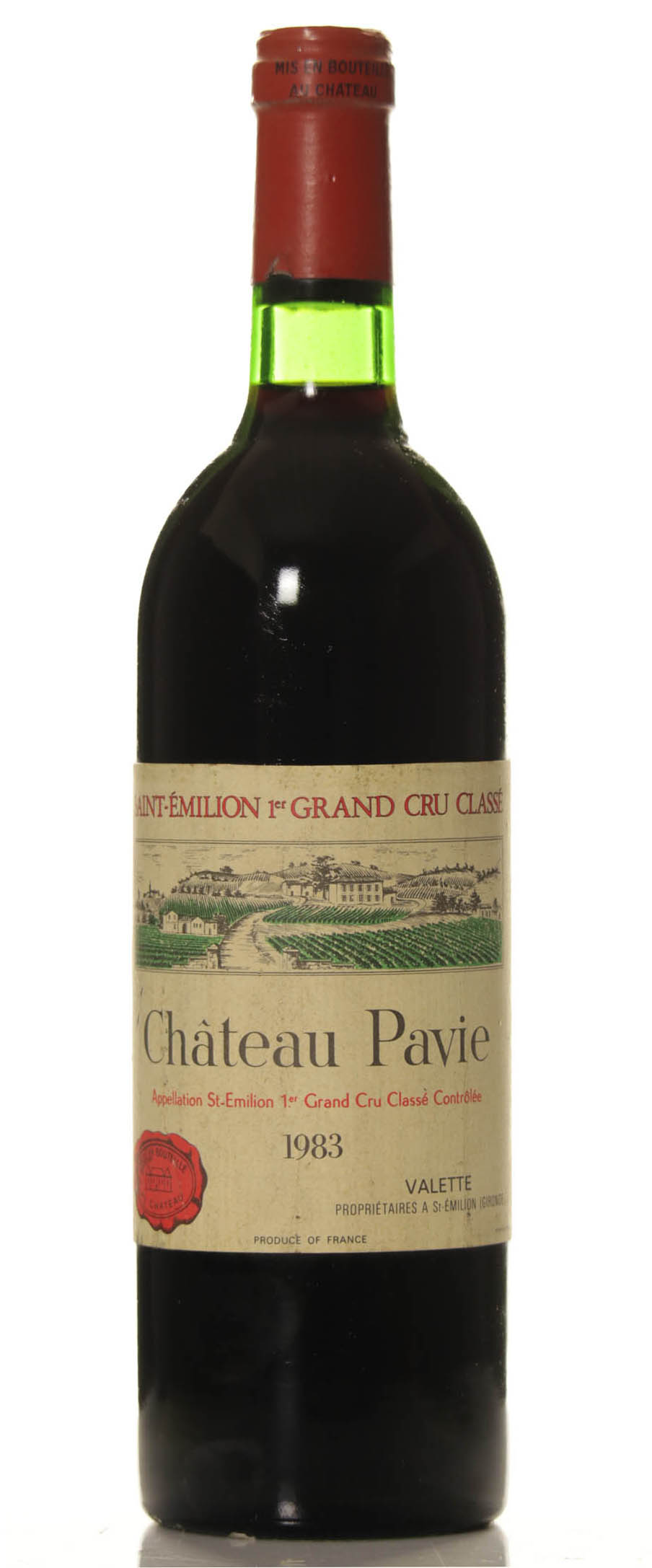
Labels
Bottles from Bordeaux
The terms below are indicative of the fill levels:


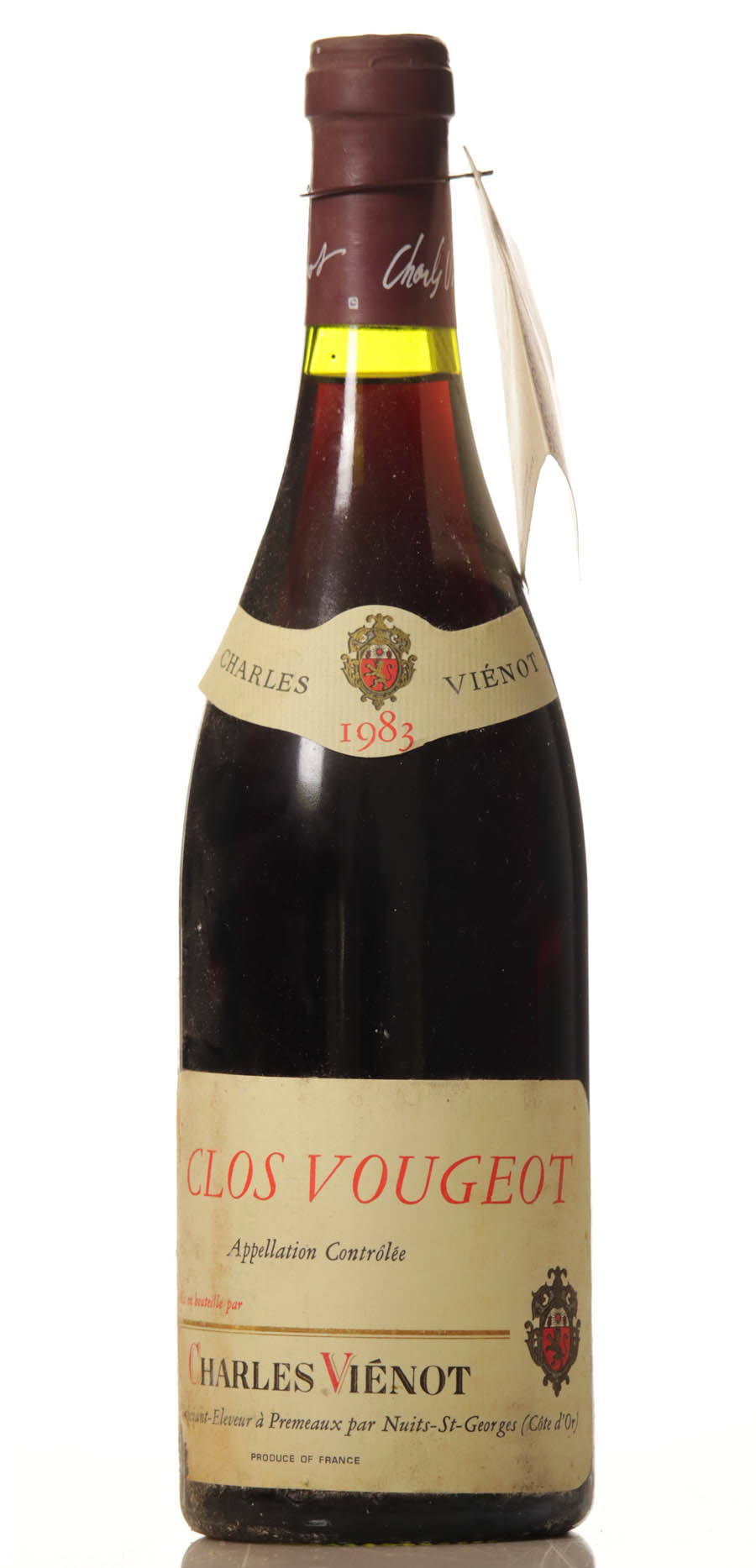
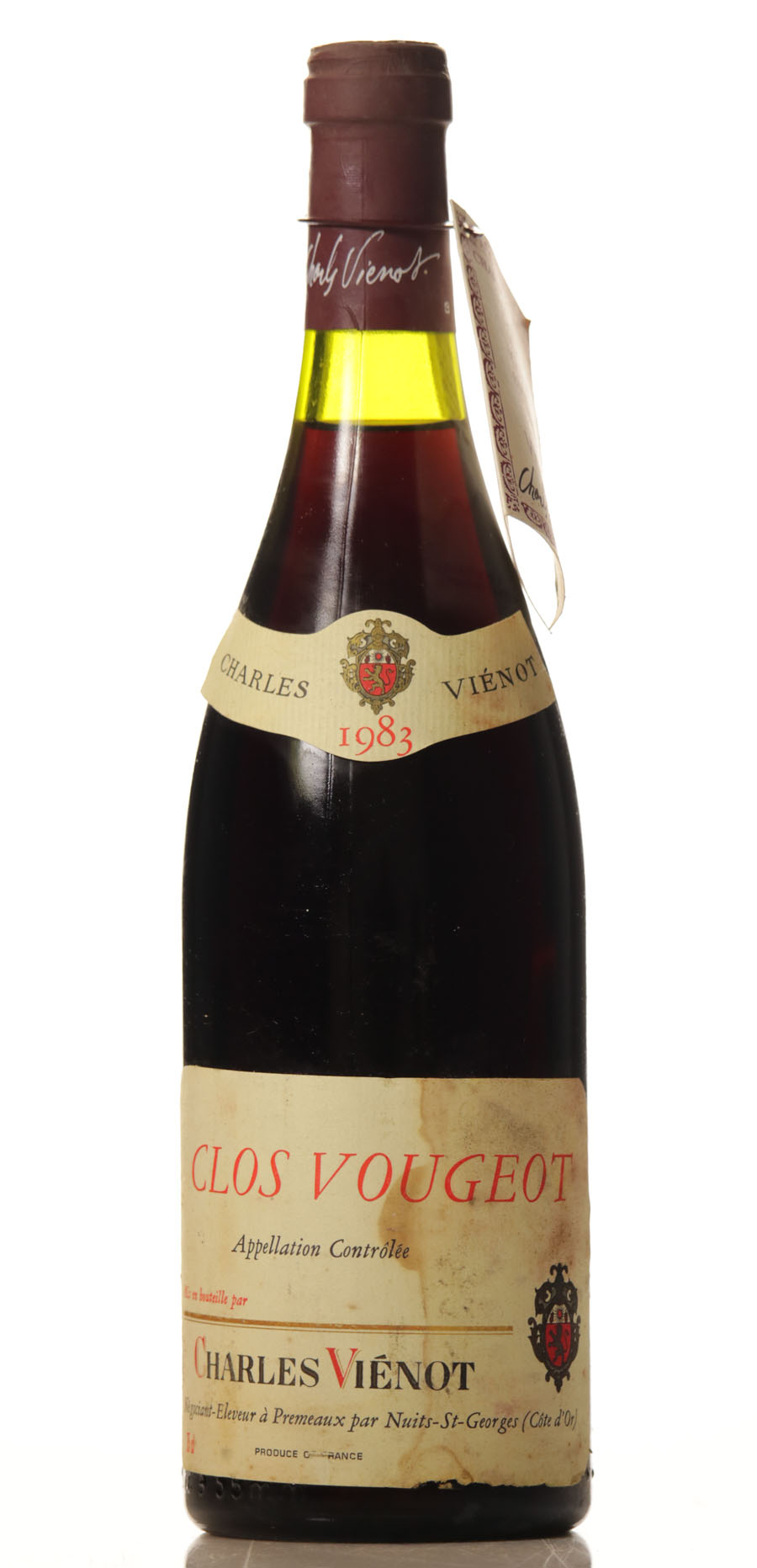
Clos Vougeot 1983 Charles Vienot
Uitverkocht
Mail mij zodra deze wijn weer beschikbaar is
Specificaties
| Country | |
|---|---|
| Region | |
| Sub Region | 2718 |
| Bottling | Estate Bottled |
| Type of Wine | Red wine |
| Vintage | |
| Bottle size | 0.75 L |
| Packaging | Loose |
| Rating Scale | – |
| Rating | – |
| Reviewer | – |
Label |
sdl-ssl |
| Capsule | good condition |
| Level |
bn |
Clos de Vougeot is one of the most famous grand cru vineyards in Burgundy. It is the largest grand cru site in the Cote de Nuits region, covering 50 hectares (124 acres) of land, and is second only to Corton in the entire Côte d’Or. Clos de Vougeot is famously fragmented – it is divided into 100 different parcels owned by more than 80 different producers, and the wines made here vary considerably in character and quality.
The site dominates the Vougeot appellation in the center of the Côte de Nuits. The Musigny and Echezeaux vineyards are on the slopes above Clos de Vougeot, while the bottom edge of the vineyard reaches right to the bottom of the slope, where there is little separation between the grand cru vines and the village-level climats on the other side of the road. Like most vineyards in the Côte de Nuits, Clos de Vougeot is planted entirely to Pinot Noir.
Clos de Vougeot was first established by Cistercian monks in the 11th Century, with the clos (or wall) and the château added later. It is divided into 18 lieux-dits, reflecting the fact that ownership of the land was historically divided between the Cistercian monks who planted the original vines, the Roman Catholic Church, and the French crown. These divisions became less meaningful after the French Revolution, when the land was confiscated by the state and promptly sold to a rich banker. Subsequent changes in ownership have seen the land divided up considerably, and today there are more than 80 landholders in Clos de Vougeot. The largest of these is Château de la Tour, with around 5ha (12 acres), but Domaine Méo-Camuzet, Louis Jadot and Gros Frère et Soeur also have significant holdings in the vineyard.
The Clos de Vougeot was officially classified as a grand cru site in 1937, and was delimited according to the location of the clos wall, rather than the actual quality of the terroir. Many in the modern wine world openly question whether this decision was in keeping with the high standards imposed on the other Burgundy grand crus, and suggest that only some parts of this ancient vineyard are truly deserving of the classification.
The terroir of the climat is indeed varied, with an array of different soils and aspects, depending largely on the slope. The highest part of the vineyard has the best terroir, with vineyard soils made up of free-draining, pebbly limestone. Further down the slope, the proportions of clay get higher – the mid-slope is still considerably well drained, while the lowest part of the vineyard, near the road, is more alluvial and holds a lot more water in the soil. The highest slopes also benefit from a gentle easterly aspect, giving them better access to the morning sun.
Clos de Vougeot’s uneven terroir was less of an issue before its fragmentation, as grapes from all over the site could be blended to achieve a balanced style under a single label. Now, each producer makes wine from just a small patch of terroir, sometimes producing grapes worthy of grand cru status – but sometimes not. This means that modern Clos de Vougeot wine is of highly variable quality.